Python SDK
Sync and async-safe trace context, request boundaries, explicit spans, @tool, and LangChain/LangGraph callbacks.
Integrations
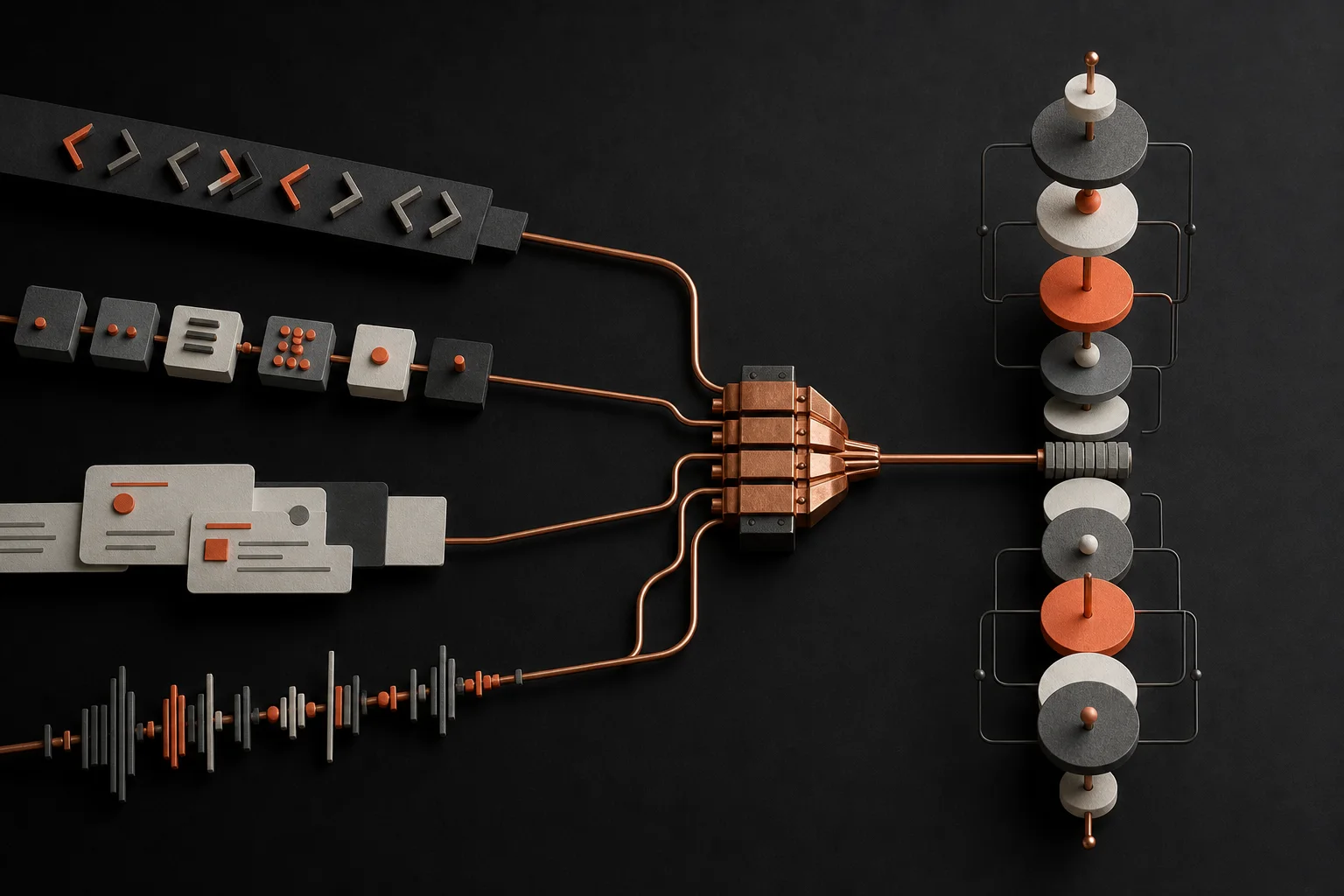
Start with the runtime you already have. Native SDKs add request semantics; standards and importers let you evaluate Kibitz before changing production code.
Sync and async-safe trace context, request boundaries, explicit spans, @tool, and LangChain/LangGraph callbacks.
AsyncLocalStorage isolation, instrument() wrappers, request groups, usage, cost, sessions, users, and tags.
Receive standard OTLP/HTTP JSON at /api/otel/v1/traces and retain parent-span hierarchy and GenAI attributes.
Import local JSONL once or keep --watch running. For suggestions, delegate to the account already signed in through either installed CLI.
Read v4 observations_v2 JSON, JSONL, or Observations API responses and rebuild traces by traceId.
POST one completed Kibitz Run or an array with project-scoped ingest tokens.
from kibitz_sdk import trace, tool

@tool
async def search(query: str):
    return await index.search(query)

async def main():
    with trace("research", agent="analyst") as run:
        with run.request("Compare the proposals"):
            rows = await search("latest proposals")
run.answer(summarize(rows))import { instrument, trace } from "@kibitz/sdk";
const search = instrument("search", index.search);
await trace("research", { agent: "analyst" }, async (run) => {
await run.request("Compare the proposals", async () => {
const rows = await search("latest proposals");
run.answer(summarize(rows));
});
});OTEL_EXPORTER_OTLP_PROTOCOL=http/json OTEL_EXPORTER_OTLP_ENDPOINT=https://kibitz.example/api/otel OTEL_EXPORTER_OTLP_HEADERS=authorization=Bearer%20$KIBITZ_INGEST_TOKEN
uv run kibitz-langfuse-import observations_v2.jsonl \
  --out ../web/.kibitz/traces/langfuse.json
Import recent Claude Code, Codex, or Langfuse history. Production instrumentation stays untouched.
Add Python or TypeScript request boundaries, or point an OTLP/HTTP JSON exporter at Kibitz.
Use project-scoped read and ingest tokens, persistent resources, and a shared trace volume.
Use a post-run importer first, then move to native or OTLP instrumentation when you want continuous traces.